Deep beneath the Vaca Plateau of western Belize lies a cathedral of limestone and shadow where the ancient Maya performed sacred rituals over a thousand years ago. Actun Tunichil Muknal — the Cave of the Crystal Sepulchre — holds secrets that continue to astonish archaeologists and travelers alike.
Actun Tunichil Muknal, universally known as ATM Cave, was first used by the ancient Maya as early as 300 BCE during the Late Preclassic period. Situated within the Tapir Mountain Nature Reserve in the Cayo District of Belize, the cave stretches approximately 4.8 kilometers into the earth. The Maya regarded caves — or 'ch'en' in Yucatec Maya — as sacred portals to Xibalba, the underworld realm of gods and death. ATM Cave was not a dwelling place but a ceremonial site of profound spiritual importance, accessed deliberately by priests and rulers seeking communion with supernatural forces that governed rain, fertility, and the continuation of the cosmos.
Archaeological evidence suggests that ritual activity intensified dramatically between 250 CE and 900 CE, corresponding to the Classic Maya period — the civilization's cultural and political peak. During this era, Maya priests and nobles ventured deep into the cave's chambers carrying ceramic vessels, obsidian blades, and other offerings. The cave's interior, fed by an underground river that visitors must swim across today, presented a formidable and deliberately chosen challenge. The Maya believed that difficulty of access amplified the spiritual power of a ritual site. The deeper and more treacherous the passage, the closer one stood to the gods of Xibalba, making ATM an especially potent sacred destination.
The most haunting chapter of ATM Cave's history is written in its human remains. Archaeologists have identified the skeletal remains of at least fourteen individuals within the cave, including men, women, and children. Many of these individuals show evidence of violent death, strongly suggesting they were sacrificial victims offered to appease Chaac, the Maya rain deity, during periods of devastating drought. The Terminal Classic period, roughly 800 to 900 CE, was marked by severe environmental stress across the Maya lowlands, and scholars believe the intensification of cave sacrifices at ATM directly correlates with these ecological crises that ultimately contributed to the mysterious collapse of Classic Maya civilization.
The cave's most iconic inhabitant is the 'Crystal Maiden,' the calcite-encrusted skeleton of a young woman estimated to have been between 18 and 25 years old at the time of her death. Her remains, lying in the cave's innermost chamber, have been slowly mineralized over centuries by dripping calcium carbonate-rich water, giving her bones a spectacular crystalline shimmer when illuminated. Initially believed to be female, subsequent scientific analysis has occasionally debated the sex of the individual, though 'Crystal Maiden' remains the universally accepted name. Her skull shows evidence of perimortem trauma, supporting the conclusion that she was ritually sacrificed — likely during the late Terminal Classic period around 900 CE.
Beyond human remains, ATM Cave contains one of the most significant collections of intact Maya ceramics ever discovered in Mesoamerica. Over 1,000 ceramic vessels have been documented within the cave, many deliberately 'killed' — ritually broken by the Maya — to release their spiritual essence as offerings to the underworld gods. Stingray spines used for blood-letting rituals, obsidian blades imported from Guatemala's highland quarries, and jade fragments have all been recovered from the site. The sheer density and preservation of these artifacts make ATM Cave an unparalleled archaeological record of Maya religious practice, offering scholars a rare, undisturbed window into the spiritual world of a civilization that vanished over a millennium ago.
Although local Belizean communities had long known of ATM Cave's existence, the site was formally brought to international archaeological attention in 1989 when Belizean archaeologist Dr. Thomas Miller began systematic investigations. Dr. Jaime Awe, a leading authority on Belizean archaeology and former Director of the Institute of Archaeology in Belize, conducted the most comprehensive excavations during the 1990s and beyond. Awe's meticulous work catalogued the extraordinary wealth of artifacts and human remains while establishing rigorous protocols to protect the site's integrity. His research transformed academic understanding of Terminal Classic Maya ritual behavior and confirmed ATM Cave as one of the Western Hemisphere's most significant archaeological sites.
In 1998, the Belizean government officially opened ATM Cave to guided public tourism, a decision carefully balanced against the imperative to protect an irreplaceable cultural heritage site. Access was strictly limited to licensed, certified tour guides operating in small groups, ensuring that visitor impact remained minimal. The cave is located within the Tapir Mountain Nature Reserve, providing an additional layer of environmental and archaeological protection. National Geographic later featured ATM Cave prominently, naming it one of the top sacred sites in the world, which dramatically elevated the cave's international profile and transformed western Belize's tourism economy, funneling much-needed revenue into local communities and conservation efforts.
A significant preservation challenge emerged in 2012 when a tourist accidentally dropped a camera, shattering the skull of the Crystal Maiden — one of the cave's most sacred and scientifically valuable remains. The incident prompted the Belizean Institute of Archaeology to introduce stricter regulations, including mandatory sock coverings over shoes within the main chambers, prohibitions on personal cameras inside the cave, and reductions in maximum group sizes. These measures, while initially controversial among tour operators, have since been widely praised by conservationists and archaeologists as essential steps in ensuring that future generations can experience ATM Cave's extraordinary heritage without further irreversible loss.
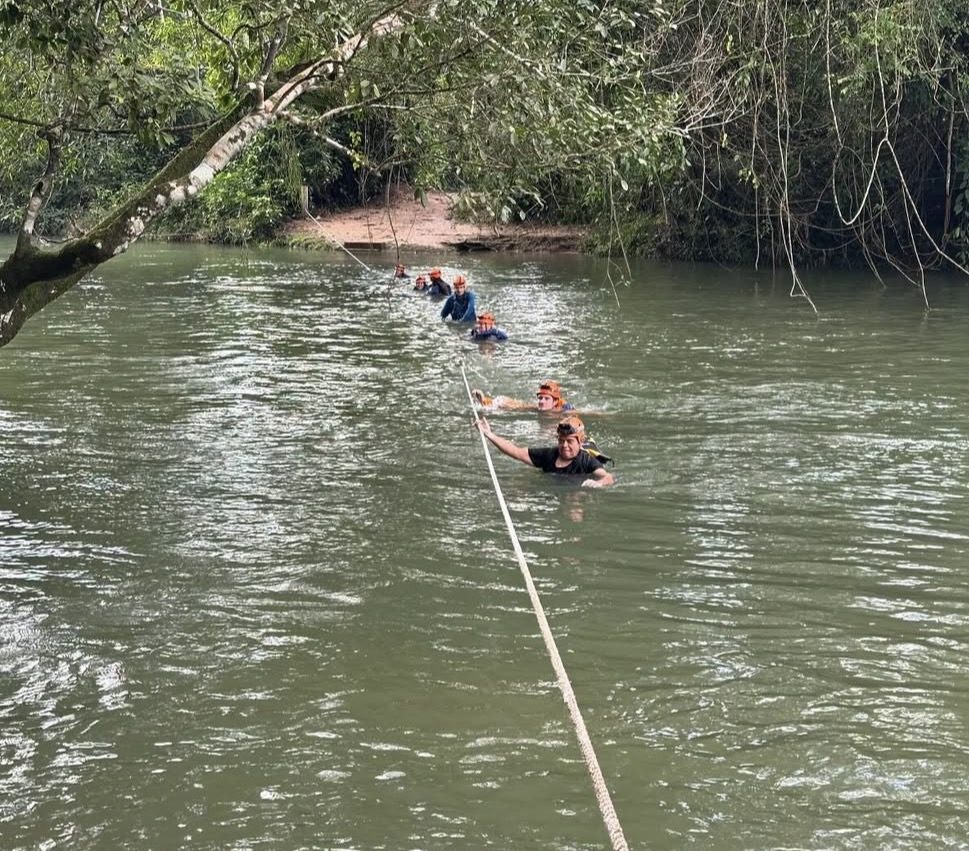
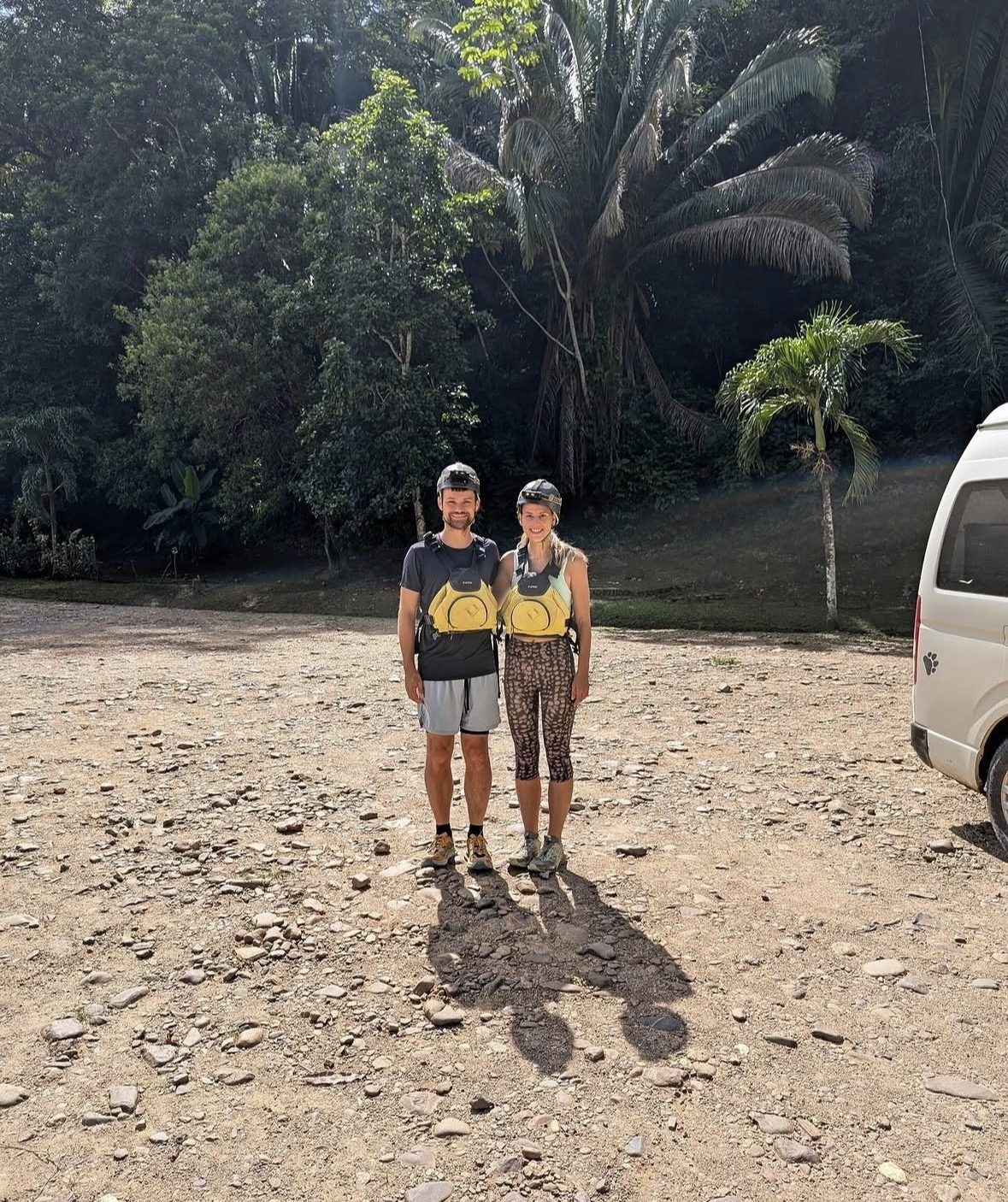
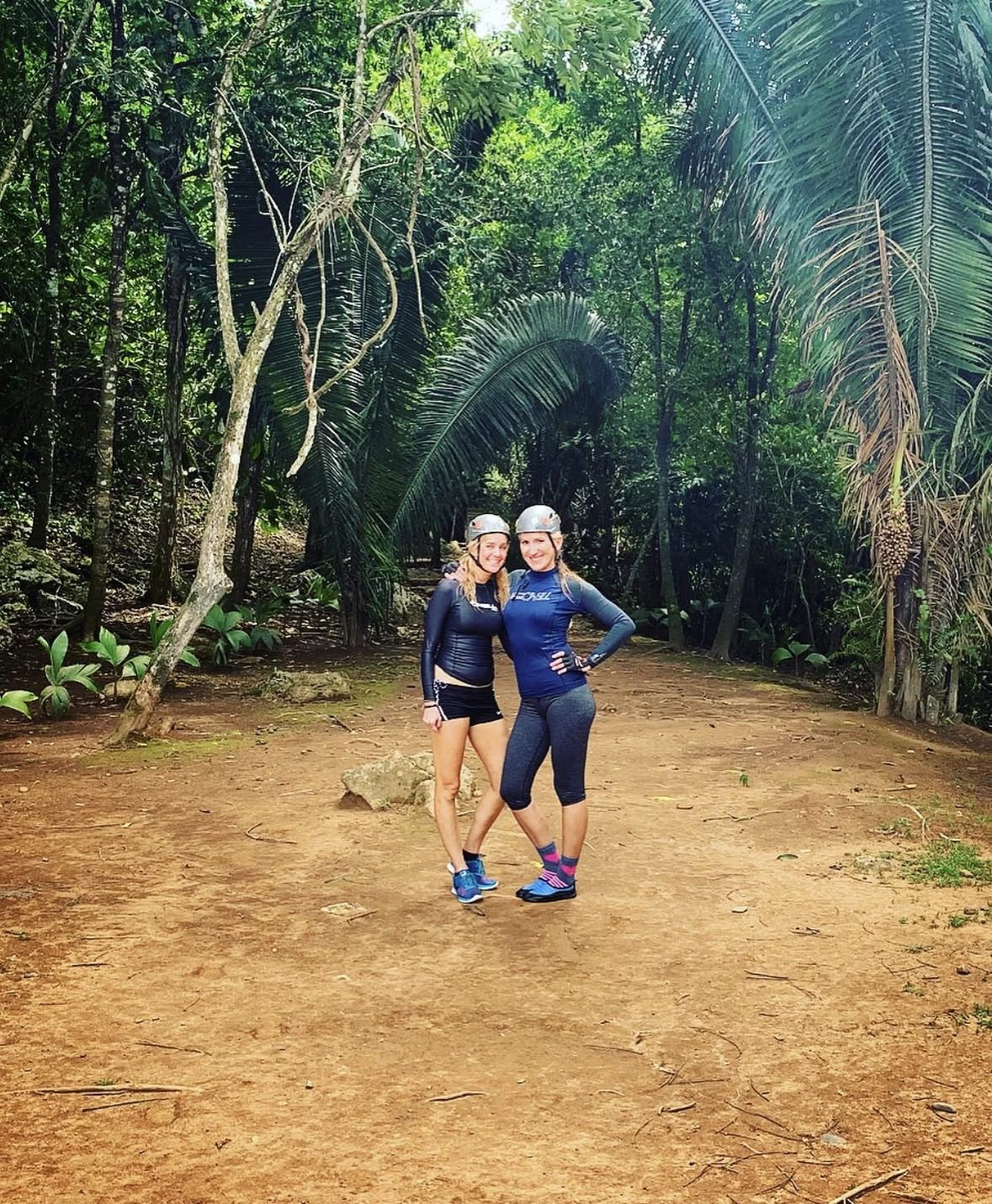
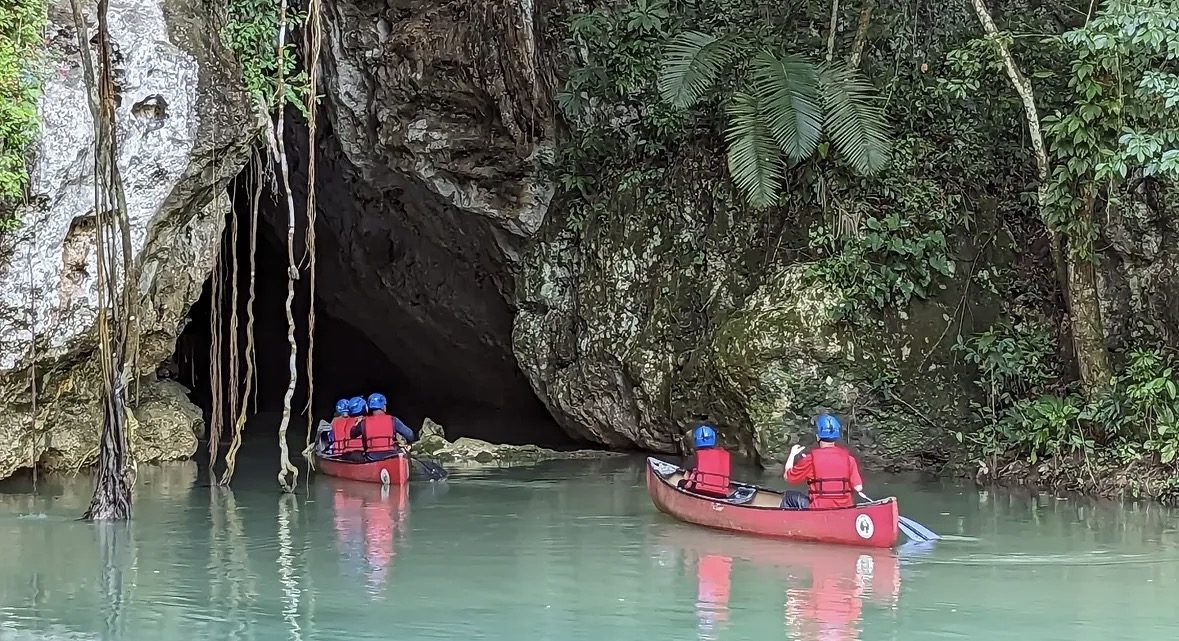
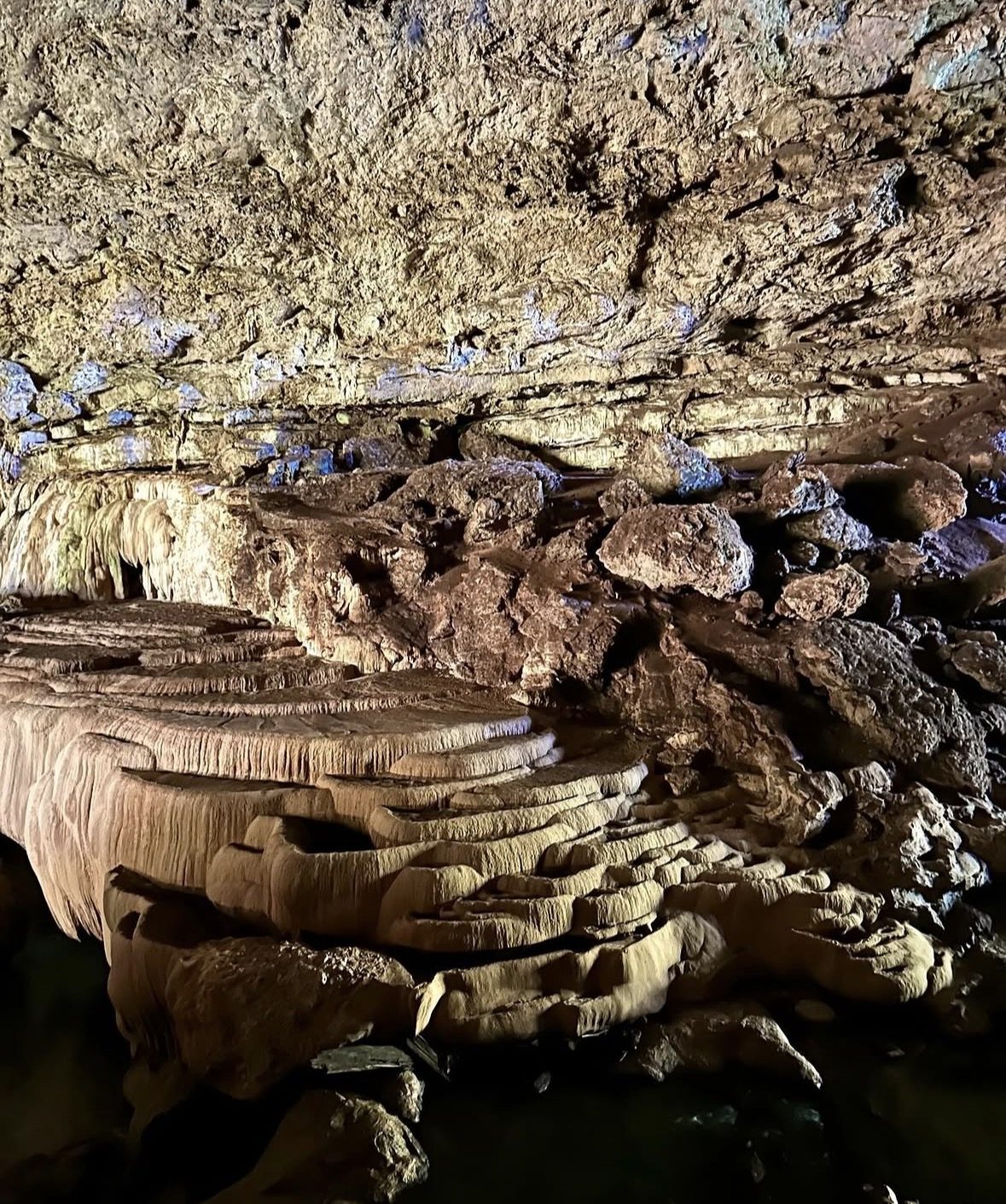
Today, visiting Actun Tunichil Muknal remains one of the most extraordinary adventure travel experiences in the entire Caribbean and Central American region. The journey itself is part of the magic — guides lead small groups on a 45-minute jungle hike through the Tapir Mountain Nature Reserve before reaching the cave entrance, where visitors wade and swim across the underground river into darkness. Inside, the route passes through enormous cathedral-like chambers adorned with stalactites and stalagmites, before arriving at the sacred upper chambers where ancient ceramic vessels and skeletal remains rest exactly where the Maya left them over a thousand years ago — untouched, unexcavated, utterly breathtaking.
Access to ATM Cave is exclusively available through licensed Belizean tour guides, typically departing from San Ignacio in the Cayo District, making it a deeply community-rooted experience. No more than eight visitors per guide are permitted inside simultaneously, preserving an atmosphere of intimacy and reverence that mass-tourism destinations can never replicate. Whether you are a passionate history enthusiast, an adventure seeker, or a traveler in search of genuinely transformative experiences, standing before the Crystal Maiden in the flickering lamplight of an ancient Maya ceremonial chamber is a moment that will redefine your understanding of human history. ATM Cave does not simply show you the past — it places you inside it.
Ready to Experience It Yourself?
ATM Cave tours sell out weeks in advance, especially during peak season from November through April — so early booking is essential. Join a certified, expert local guide for a full-day expedition that combines jungle hiking, river swimming, and an awe-inspiring encounter with one of the ancient world's most sacred sites. Click below to find and book the best-rated ATM Cave tours available for your travel dates.
Book Your Tour Now